

Somewhere in your flat there's a bag you've been meaning to deal with for weeks, and most people default to donating it without deciding much of anything. That default adds to a bigger clothing waste problem than it looks like: a nine-city study led by RMIT University found that between a third and nearly all of what charities collect — 33% in Australia, as high as 97% in Norway — never actually gets resold. It's exported, landfilled or dumped instead, simply because there's more coming in than there's local space or demand for it.
Yet donating is still the path of least friction (unless you choose to sell through Ealyx, where all you have to do is take a picture) and so we end up doing it anyway.
What actually sells, and to whom
Start with the flattering option: selling. Resale runs on brand recognition and condition, full stop. Vinted's own trend data has Louis Vuitton, Chanel and Gucci as the top-selling luxury names across Europe, with one useful wrinkle for the Spanish market specifically: Loewe is the brand Spanish Vinted shoppers search for and buy first. Depop's 2026 trends report is telling a similar story further down the price range, flagging vintage Lululemon, genuine vintage pieces and anything with real provenance as what its buyers are actively hunting for right now.
- Recognisable brand names, from Nike and Levi's to Louis Vuitton and Loewe, sell faster and for more than anything unbranded, even in similar condition.
- Genuinely worn-in vintage and unusual cuts outperform "fine but boring" fast fashion basics on Depop specifically (like plain white tees and tank tops).
- A small flaw rarely kills a resale listing if you're upfront about it in the description. It kills a charity donation faster, because nobody's editing your listing copy for you there.
I've already covered how to get the best resale value for your clothes generally, and how to sell on Vinted without leaving money on the table specifically, if you want the fuller pricing and photo playbook. The same brand logic runs in reverse too — I've covered which secondhand pieces are worth buying already, if that's the list you're shopping from instead of selling off.
What a charity shop is actually asking for
Charity shops run on a different logic. They don't want your clothing waste problem, they want stock they can actually sell. The British Heart Foundation is explicit about it: donations should be good quality clothing "in wearable condition," not just anything you've personally stopped wanting. Humana works the same way in Spain, asking for closed bags and, ideally, decent condition, even though their sorting process means over 90% of what arrives still gets a second life somewhere, whether that's a shop floor, export, or textile recycling.
- Clean and wearable, no rips, stains or missing buttons a volunteer would have to fix themselves.
- Everyday basics and sizes over one statement piece nobody else needed either — practical clothing for people dressing for work or interviews is short on donated stock more often than eveningwear is.
- Nothing on a charity's do-not-accept list. Both BHF and Humana turn some items away for health and safety reasons, whatever condition they're otherwise in.
Of course, donate if you want to — it's still a good cause. Just be selective about it: dropping off more than a shop can actually use just adds to the pile a volunteer has to sort through, and it's a big part of why so much ends up exported or landfilled in the first place. Some shops are the opposite and are actively short on stock, or asking for very specific pieces. Either way, it's always worth checking directly with the people working there, rather than taking my word — or anyone else's — for it.
| Signal | Points to donate | Points to sell |
|---|---|---|
| Condition | Wearable, but plain or worn-in | Excellent, or barely worn |
| Brand | Unbranded or generic high street | Recognisable name, vintage, or designer |
| Your time | Zero admin, drop it and go | Fine with a photo and a few minutes |
| Where it lands | A shop rail, or exported/recycled | Real money, back in your pocket |
Try it: donate or sell?
Before you decide for real, run through a few of your own. Swipe through the pieces below the way you'd swipe through anything else on your phone: left to donate, right to sell.
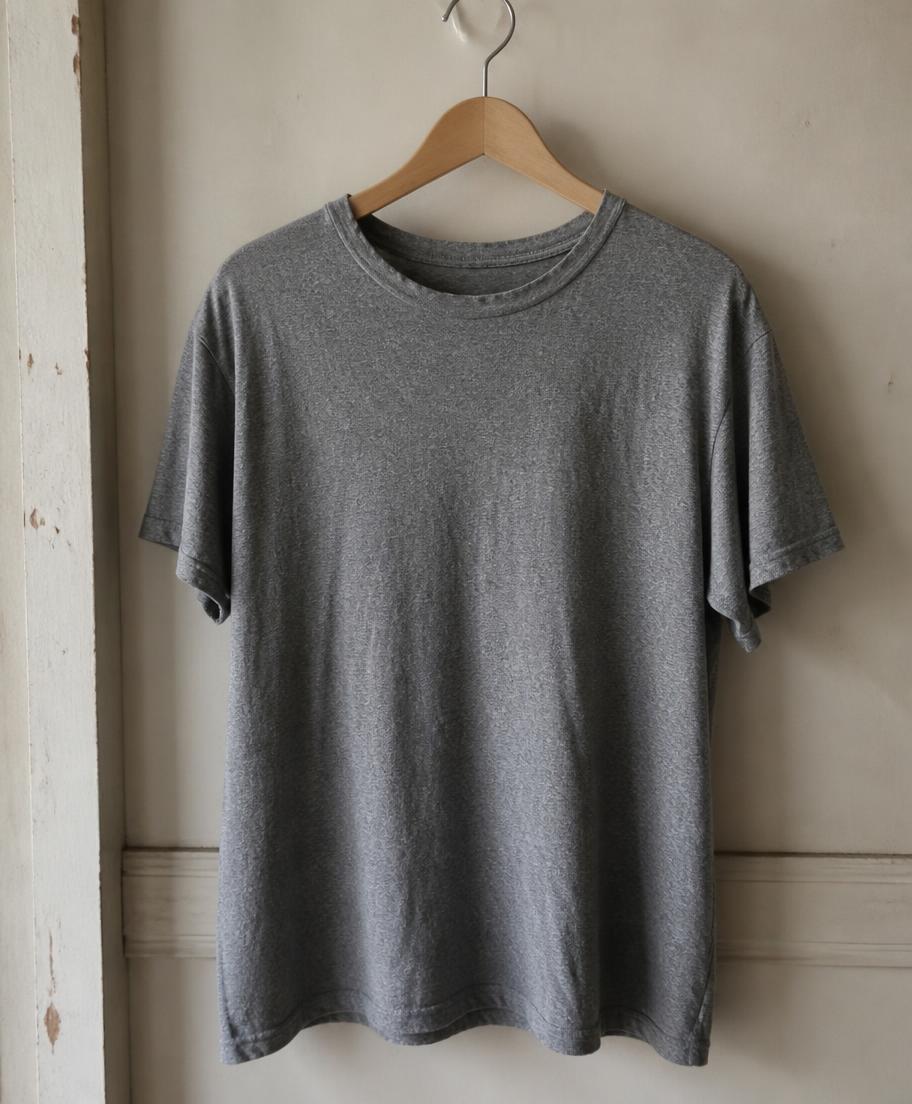
Grey marl H&M t-shirt, slightly bobbled, otherwise fine.
The actual fix for the "just donate it" habit
Here's the honest reason most people donate instead of sell: listing something yourself is a small, annoying project. Photos, a description, replying to messages, agreeing a price, then getting it packaged and out the door. Against that, a charity bag drop-off is basically free.
Ealyx is built to close exactly that gap. You take a picture, and it lists the piece, negotiates with the buyer, and sorts the logistics, all the way to the money landing back in your account. Selling has never taken less effort than that, which means "I'll just donate it" stops being the easy option by default. It's just one of two options now, and they take about the same amount of your afternoon.
None of this is an argument against donating. Genuinely worn-out pieces, or things you already know won't sell, still deserve a second life on someone else's rail. It's an argument against defaulting to it just because deciding felt like more effort than it was worth.
Quick answers
What sells best on Vinted and Depop? Recognisable names. Louis Vuitton, Chanel and Gucci lead Europe-wide on Vinted, Loewe leads specifically among Spanish shoppers, and Depop's own 2026 trend data points to vintage Lululemon and genuine vintage pieces as the categories getting the most attention right now.
Is donating clothes actually good for the environment? Only if what you're handing over is genuinely wearable. The EU still generates close to 16 kilograms of textile waste per person a year, according to the European Environment Agency, and unwearable donations are part of why that number hasn't moved much since 2016.
What should I never donate? Anything stained, torn beyond a quick fix, or on a charity's own do-not-accept list. Passing off unwearable clothing as a donation just moves your waste problem onto someone else's sorting floor.