
Selling clothes you no longer wear can be a surprisingly good way to make some extra money. But putting something up for sale and actually getting a good price are two different things.
With platforms like Vinted and Wallapop making it easier than ever to sell clothes online, there is also more competition. Buyers have thousands of listings to choose from, so small details can make a big difference to how much someone is willing to pay.
So, how do you get the best possible resale price for your clothes?
Start with the Condition
Condition is one of the biggest factors affecting how much someone will pay. Before listing an item, check for stains, missing buttons, loose threads, fading and signs of wear.
That doesn't mean everything needs to look brand new. Some pieces, particularly vintage clothing and denim, can benefit from natural wear. The important thing is to be honest about the condition in your listing.
If something needs a quick wash, steam or lint roll, do it before taking your photos. A little preparation can make an item considerably more appealing.
Take Better Photos
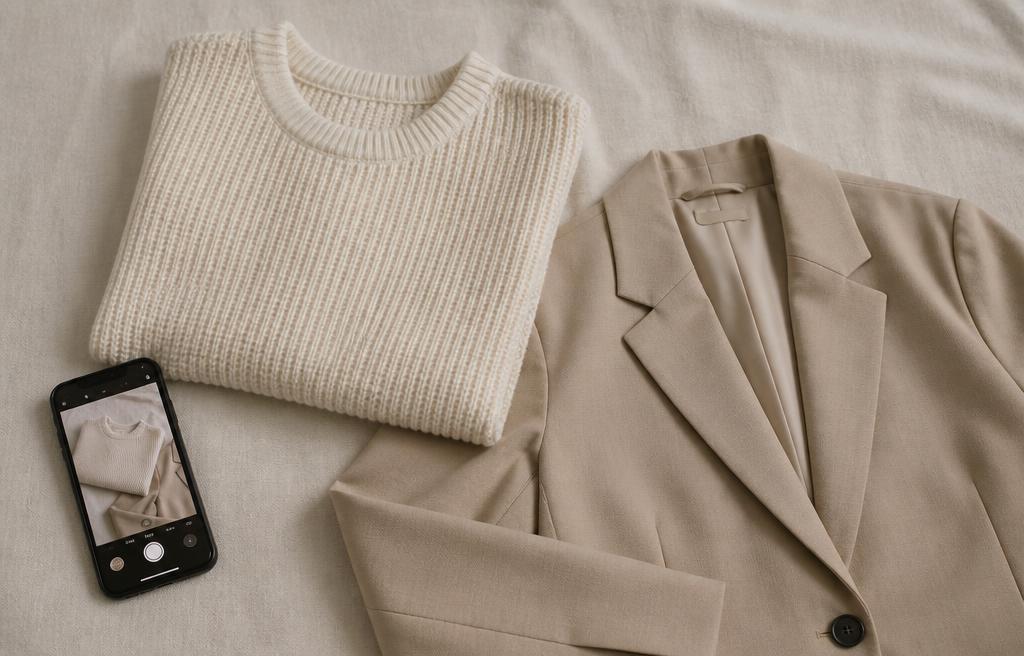
When you sell clothes online, your photos are essentially your shop window. Good lighting, a clean background and clear images can make the difference between someone scrolling past your listing and clicking on it.
Take several photos showing the front, back, details, labels and any imperfections. For clothing, it can also help to show how the item looks when worn.
Avoid excessive editing or filters. Buyers want to know what they are actually getting, and accurate photos help build trust.
Write a Useful Description
A good description should answer the questions a buyer is likely to have.
Include the brand, size, colour, material, condition and relevant details about the fit. If the item has been altered, runs smaller than the labelled size or has a particular cut, mention it.
It is also worth including the original retail price if you know it. This gives buyers context and can make a higher-value item feel more worthwhile.
Research the Resale Price
One of the easiest mistakes to make is pricing an item based on what you originally paid for it.
Instead, look at similar items currently listed or sold on resale platforms. Search for the same brand, model, condition and size and compare prices.
Remember that an asking price isn't necessarily the price someone will actually pay. A realistic understanding of the resale price your item can command will help you avoid pricing too high and waiting months for a buyer.
Think About Timing
When you sell can also affect your resale price.
Seasonal items are generally easier to sell when people are actively looking for them. Coats and knitwear are more relevant in autumn and winter, while dresses, swimwear and linen pieces tend to attract more attention in spring and summer.
Trends can also create demand. If a particular style suddenly becomes popular, something that has been sitting unused in your wardrobe could become much more valuable to someone else.
Don't Automatically Accept the First Offer
Negotiation is a normal part of selling second-hand. If you receive an offer below your asking price, you don't necessarily have to accept it immediately.
Set your initial price with a little room for negotiation while keeping it realistic. If an item is already competitively priced, you may be better off waiting rather than accepting a significantly lower offer.
The goal isn't simply to sell as quickly as possible. It is to find the right balance between price, demand and how long you're willing to wait.
Consider the Trade-In Value
Selling privately isn't always the only option. A growing number of brands and retailers run trade-in and buyback programmes, offering you a trade-in value in store credit or vouchers rather than cash. Patagonia's Worn Wear programme is one of the better known examples, and several high-street and outdoor brands now run something similar.
The trade-in value offered is usually lower than what you could make through a private sale, because the retailer takes on the work of reselling the item. In exchange, it is considerably faster and there are no photos to take, no listings to write and no buyers to negotiate with.
Trade-in tends to make the most sense for items that are difficult to sell individually: basics, older pieces, or anything from a brand without much resale demand. For higher-value or in-demand items, checking the resale price on a marketplace first is usually worth the extra effort.
So, How Do You Get the Best Resale Value?
There is no guaranteed formula for getting the highest price, but presenting your clothes well, pricing them realistically and understanding what buyers want can make a significant difference.
If you're planning to sell clothes online, think about what makes that item valuable to someone else. Good condition, strong photography, an accurate description and the right price can all help maximise its resale price.
And if all of this sounds like a lot of work, that's exactly where Ealyx Sell comes in.
Sell Your Clothes with Ealyx
Ealyx Sell is designed to take the work out of reselling. Instead of spending hours photographing clothes, writing listings, checking prices, answering messages and negotiating with buyers, Ealyx's AI resale agent handles the selling process for you.
It finds the right price, creates listings and manages the process across resale marketplaces, so you can turn the things you no longer use into purchasing power without doing all the work yourself.
Your wardrobe already has value. Ealyx Sell makes it easier to unlock it.